
32
Critical Digital Literacy
Critical Digital Literacy
Մասին
In an age filled with information, it's not just important how you find something, but primarily what you do with it. This playlist focuses on Critical Digital Literacy. This includes the technical skills to search, evaluate, and communicate information clearly.
The 'critical' component, however, goes further: it demands a broad understanding of the impact of digital transformation on young people’s lives. You will learn how to help young people critically assess news, social media, and online trends, guiding them to navigate the complexity of the digital society.
Key Focus Areas in this Playlist:
- Searching, evaluating, and communicating information (C4.1).
- Critically reflecting on the impact of digital transformation (C4.2).
About the Digital Competence Check
This playlist is directly linked to Competence Area 4 of the Digital Competence Check Critical digital literacy, which is based on the European DYW SNAC Model. The Check covers 5 areas, 14 specific competences, and 38 indicators, helping you to map your starting proficiency level. By following this playlist, you will specifically target and improve the skills identified as areas for development.
This playlist features activities from the platform, all directly connected to this competence area. It is up to you to decide which activities are the most interesting and relevant for your professional development.
Within each activity, you will find four different badges. One badge is specifically intended for the Youth Worker. There are also badges for the Youth Worker's Manager and for Young People, should you wish to involve them in your development. This joint growth path is essential and is rooted in the Digital Systemic Team approach. Evidence shows that digital youth work is best realised when these four roles (Youth Worker, Manager, Young Person) collaborate.
Activities to complete
Complete the following activities, earn badges and you will see your playlist progress updated
Մասին
This activity invites youth workers, youth work managers, and organisations to explore what it means to lead digital change in a way that builds confidence, embraces innovation, and creates immersive, inclusive learning environments.
Leadership in digital youth work means more than adopting tools — it means creating the right mindset, culture, and infrastructure for long-term transformation, especially in a world where attention is fleeting and technology is constantly evolving.
The activity draws on insights from the:
- European Commission’s Digital Education Action Plan - see document HERE
- Youth workers 2.0 - A guide to digital Education for youth workers - see document HERE
- Ray Digi research report on Exploring successful approaches to digital youth work - see document HERE
It also relates to global trends in digital transformation and youth work research that identifies infrastructure, funding, and skilled professionals as critical enablers for successful digital youth work.
By completing this activity, you will:
- Understand the role of leadership in digital youth work transformation
- Recognise the barriers to digital adoption in youth work settings — and strategies to overcome them.
- Reflect on your own leadership and how you can help others move from fear to curiosity in digital environments.
- Identify practical actions that support inclusive, ethical, and engaging digital practices.
- Reflect on how digital tools and immersive technologies can enhance engagement and inclusion.
- Explore the role of leadership in creating psychologically safe environments for digital learning and experimentation.
Get inspired
Leading digital transition doesn’t mean being a tech expert — it means:
- Creating safe spaces to explore and experiment with digital tools;
- Asking “why” before “how” when introducing new technologies;
- Listening to fears and supporting learning instead of pushing adoption;
- Building shared purpose and digital confidence across the team;
- Choosing tools that add value, not just those that are trendy.
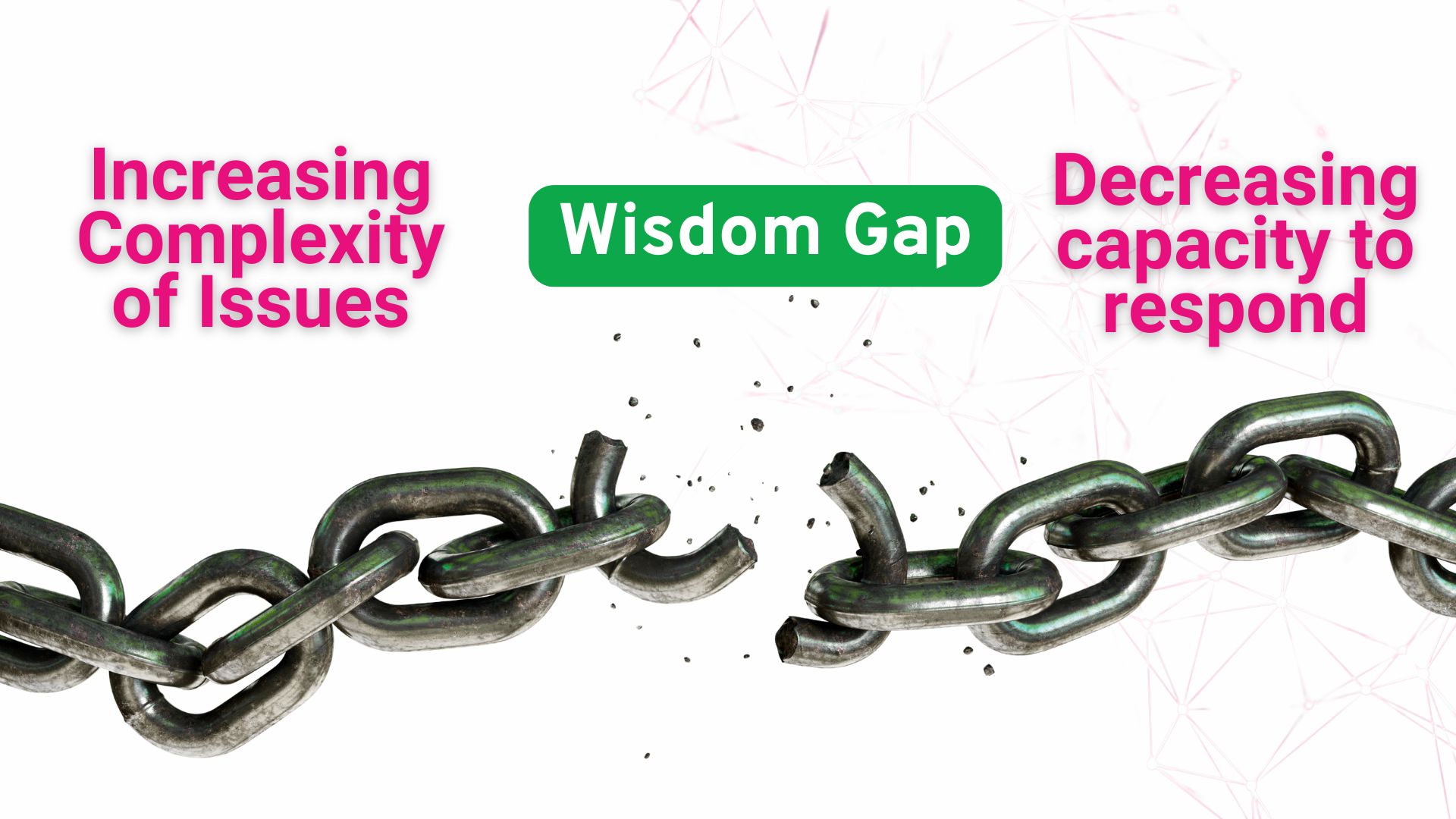
It also means recognising and addressing the Wisdom Gap — the space between access to digital knowledge and the ability to apply it thoughtfully. In a fast-moving tech landscape, digital leaders must help their teams move beyond knowing how tools work to understanding when, why, and for whom they should be used. Wisdom in digital leadership means slowing down when needed, making ethical choices, and centering people in every decision.
Ultimately, digital leadership in youth work is about empowering people, not just adopting platforms. It's about transforming how we connect, learn, and create together in the digital age — and ensuring no one is left behind.
Why are we addressing Leadership as a key element of Digital Youth Work?
In digital youth work, leaders set the tone — if they model openness, learning, and reflection, their teams are more likely to do the same.
Leadership is what turns access into action. It guides teams through uncertainty, encourages responsible experimentation, and ensures digital practices are aligned with purpose — not trends. Whether it's introducing immersive learning technologies like AR/VR, shifting to hybrid models, or adapting to new demands in digital citizenship, engaged and informed leadership is essential.
The RAY-Digi research and the Youth Workers 2.0 Guide both highlight that:
- Digital transformation requires not just technology, but leadership and mindset change.
- Teams are more likely to embrace new tools when they feel supported, not judged.
- Leaders set the tone for ethical use, inclusion, and continued learning.
Effective digital leadership involves:
- Listening to team fears and hopes around digital work;
- Modeling curiosity and openness rather than perfection;
- Creating safe learning spaces for staff and youth;
- Linking digital change to real-life impact, especially for young people in under-resourced communities.
Leadership, when done well, amplifies capacity, reduces resistance, and creates momentum for digital youth work to thrive — today and in the future.
Why does it matter for Youth Work?
As youth work increasingly moves into digital and hybrid spaces, the role of leadership becomes essential to making these transitions inclusive, meaningful, and future-ready. It is not enough to introduce new tools or platforms — we need leaders who can inspire, guide, and support others through the changes.
Digital leadership matters because:
- Young people are already immersed in digital environments. To stay relevant, youth work must engage them where they are — safely, creatively, and ethically.
- Fear and uncertainty around digital tools still exist among youth workers and managers. Strong leadership helps reduce resistance, increase curiosity, and build digital confidence.
- Immersive learning environments like VR, AR, and AI-enabled platforms offer new ways to engage youth — but only when leaders understand their value and can align them with real learning needs.
- Equity and inclusion in digital spaces require intentional planning. Leaders must ensure fair and safe access to meaningful digital learning experiences.
- The shift in educator roles from instructor to facilitator requires leaders who can model and support this transition.
Claim open badge recognition
Upon completing this activity, participants can earn badges that recognise:
- Awareness of leadership as a driving force for digital transformation in youth work
- Advocacy for inclusive, confident, and purposeful use of digital tools
- Contributions to building team culture that supports experimentation and digital confidence
- Commitment to guiding youth work through ethical, future-focused digital change
Who created this resource?
This activity was developed by members of Digital Systemic partnership within the Cities of Learning Network, in response to the insights from the field of digital youth work policy and practice. It builds on the understanding that effective digital youth work depends on more than just tools — it requires infrastructure, skilled professionals, and strategic investment.
Next steps: Use this activity to start strategic conversations about immersive learning, digital access, and future skills in your organisation. Build momentum by combining this badge with others on infrastructure, quality, and innovation — and help shape youth work that’s ready for the future.

Resources
Get activity badge
Digital transformation Leader Get this badge
This badge recognises your active engagement in exploring what it means to lead digital transformation in youth work. Whether you're a young person, youth worker, or manager, you’ve reflected on how leadership, mindset, and inclusive practices can shape meaningful digital experiences for all.
You have to finish 2 tasks to get the badge
Tasks
Task no.1
Evidence verified by: one activity organiser
Reflect on a key insight or “aha moment” from the activity and share how it connects to your role or context.
Task no.2
Evidence verified by: one activity organiser
Identify one personal or organisational action you can take to lead or support digital change.
Task no.3
Evidence verified by: one activity organiser
Describe what “ethical, inclusive, and purposeful” digital leadership means to you.
Skills
#Excellent Level. Confident in using a diversity of digital tools and platforms to support youth work and deliver youth work services. (e.g. advanced technological equipment, digital cameras or software, AI tools)
#Excellent Level. Creates different types of digital content and knows how to support others in similar processes (eg. podcasts; videos)
#Good Level. Sets together with young people educational aims for their own digital content production
#Fair Level. Realizes that young people are interested in technological hobbies, and feels the need to support them
#Good Level. Gathers a group of young people to engage in technological activities and agreed about their learning outcomes
#Excellent Level. Constantly assess, together with young people and/or other youth workers on the quality of the digital work and reflects what has been learned; as an intentional process part of the digital youth work strategy.
#Excellent Level. Supports young people to create their communities, based on pre-set learning objectives, while reflecting on the results.
#Fair Level. Advises young people on their basic functional skills, such as critically navigating through a variety of websites and platforms.
#Excellent Level. Helps young people to critically analyse current communication challenges related to the information crisis and the use of synthetic media.
#Good Level. Capable of advising and supporting young people to use advanced digital tools (or advanced functions of such tools) or create peer learning opportunities for them
#Fair Level. Is in a position to empower young people and other youth workers to experiment with digital means.
#Good Level. Helps young people to understand the difference between facts, mis/dis-information, and, in general, to critically analyse information.
#Excellent Level. Supportes young people to improve their behaviours in looking for trustworthy sources or running their own online research.
#Excellent Level. Supports young people to develop counter-narratives to a case of fake news or disinformation.
#Excellent Level. Helps young people to critically analyse current communication challenges related to the information crisis and the use of synthetic media.
#Fair Level. Sensitise young people on situations when they are not fairly treated in the digitalised world.
#Good Level. Set with young people learning objectives on how to support their digital rights.
#Fair Level. Discusses with young people about the type of digital content they want to produce
#Good Level. Learns to integrate practice-based learning (non-formal learning) and youth participatory approaches in digital youth work practiceer personality.
#Excellent Level. Supports young people to assess their learnings after running their digital rights activities, and identify new ways of how to address them.
#Good Level. Understands digital youth work in a broad context of social effects and economic interests of digital transformation; applies solid ethical principles to both digital and traditional youth work.
#Excellent Level. Supports young people to assess their learnings after running their digital rights activities, and identify new ways of how to address them.
#Excellent Level. Empowers youth groups to use their critical thinking and imagination in order to discuss the ethical implications and find solutions to issues such as profiling, algorithmic filtering or algorithmic bias.
#Good Level. Sets together with young people educational aims for their own digital content production
#Excellent Level. Engages young people on equal footing in the planning, running and evaluation of digital activities; they are an integral part of the strategic approach to digital transformation.
#Good Level. Ensures that young people with fewer opportunities have participated in digital learning activities, such as thematic events, problem-solving, producing their own content, or vlogs.
#Good Level. Gathers a group of young people to engage in technological activities and agreed about their learning outcomes
#Good Level. Learns to integrate practice-based learning (non-formal learning) and youth participatory approaches in digital youth work practiceer personality.
#Excellent Level. Supports young people and other youth workers to set goals for meaningful digital youth work, assess them and reflect jointly on the outcomes.
#Good Level. Plans and implements multiple digital youth work activities, using a diversity of digital tools
#Fair Level. Knows how to support young people to collectively, as a group, gather and reflect on online information (non-formal learning is social knowledge production).
#Excellent Level. Empowers youth groups to use their critical thinking and imagination in order to discuss the ethical implications and find solutions to issues such as profiling, algorithmic filtering or algorithmic bias.
#Excellent Level. Understands the benefits and risks of gaming and XR, knows how to deal with them and how to guide young people to ethical platforms; when needed, refers young people to specialised support in case of excessive/inappropriate use.
#Excellent Level. Supports young people and other youth workers to set goals for meaningful digital youth work, assess them and reflect jointly on the outcomes.
#Good Level. Plans and implements multiple digital youth work activities, using a diversity of digital tools
#Good Level. Sets together with young people educational aims for their own digital content production
#Good Level. Sets with young people learning objectives for digital youth work.
#Excellent Level. Supports young people and other youth workers to set goals for meaningful digital youth work, assess them and reflect jointly on the outcomes.
#Excellent Level. Supports young people to create their communities, based on pre-set learning objectives, while reflecting on the results.
#Fair Level. Askes young people to critically assess the practices of the youth work offering.
#Good Level. Sets with young people learning objectives for digital youth work.
#Excellent Level. Empowers youth groups to use their critical thinking and imagination in order to discuss the ethical implications and find solutions to issues such as profiling, algorithmic filtering or algorithmic bias.
#Excellent Level. Understands the benefits and risks of gaming and XR, knows how to deal with them and how to guide young people to ethical platforms; when needed, refers young people to specialised support in case of excessive/inappropriate use.
#Excellent Level. Creates different types of digital content and knows how to support others in similar processes (eg. podcasts; videos)
#Excellent Level. Engages young people on equal footing in the planning, running and evaluation of digital activities; they are an integral part of the strategic approach to digital transformation.
#Good Level. Knows how to organise educational and participatory activities connected to youth’s digital rights, and has been organised several with organisation.
#Excellent Level. Supports young people and other youth workers to set goals for meaningful digital youth work, assess them and reflect jointly on the outcomes.
#Fair Level. Supports young people to learn social skills through participation in digital communities, such as discussion groups, life-style sites, vlogs or gaming.
#Fair Level. Askes young people to critically assess the practices of the youth work offering.
#Excellent Level. Empowers youth groups to use their critical thinking and imagination in order to discuss the ethical implications and find solutions to issues such as profiling, algorithmic filtering or algorithmic bias.
#Excellent Level. Supports young people to create their communities, based on pre-set learning objectives, while reflecting on the results.
#Excellent Level. Supports young people and other youth workers to set goals for meaningful digital youth work, assess them and reflect jointly on the outcomes.
#Good Level. Plans and implements multiple digital youth work activities, using a diversity of digital tools
#Fair Level. Knows how to support young people to collectively, as a group, gather and reflect on online information (non-formal learning is social knowledge production).
#Good Level. Sets with young people learning objectives for digital youth work.
#Fair Level. Supports young people to learn social skills through participation in digital communities, such as discussion groups, life-style sites, vlogs or gaming.
#Fair Level. Askes young people to critically assess the practices of the youth work offering.
#Elementary Level. Uses basic digital tools and devices to run some digital youth work activities with young people, based on own intuition
ESCO
#able to use using mathematical tools and equipment
ESCO
#knowledge of maths
ESCO
#mathematical literacy
ESCO
#maths
#Excellent Level. Understands the benefits and risks of gaming and XR, knows how to deal with them and how to guide young people to ethical platforms; when needed, refers young people to specialised support in case of excessive/inappropriate use.
#Excellent Level. Engages young people on equal footing in the planning, running and evaluation of digital activities; they are an integral part of the strategic approach to digital transformation.
#Excellent Level. Supports young people and other youth workers to set goals for meaningful digital youth work, assess them and reflect jointly on the outcomes.
#Excellent Level. Supports young people to create their communities, based on pre-set learning objectives, while reflecting on the results.
#Excellent Level. Empowers youth groups to use their critical thinking and imagination in order to discuss the ethical implications and find solutions to issues such as profiling, algorithmic filtering or algorithmic bias.
#Excellent Level. Runs digital youth work activities that are based on the guidelines of organisation, the ideas of young people, and on the principles set by the national and European organisations.
#Excellent Level. Implements a process, designed with organisation, through which assess together with young people the individual and organisational priorities/needs connected to digital transformation.
#Excellent Level. Shares practices, as a member of a network, which meets regularly and aims at developing digital youth work.
#Good Level. Helps young people to understand the difference between facts, mis/dis-information, and, in general, to critically analyse information.
#Excellent Level. Engages young people on equal footing in the planning, running and evaluation of digital activities; they are an integral part of the strategic approach to digital transformation.
#Fair Level. Advises young people on their basic functional skills, such as critically navigating through a variety of websites and platforms.
#Good Level. Ensures that young people with fewer opportunities have participated in digital learning activities, such as thematic events, problem-solving, producing their own content, or vlogs.
ESCO
#problem-solving with digital tools
#Critical digital literacy
ESCO
#creative thinking
#Good Level. Sets together with young people educational aims for their own digital content production
#Good Level. Gathers a group of young people to engage in technological activities and agreed about their learning outcomes
#Elementary Level. Uses basic digital tools and devices to run some digital youth work activities with young people, based on own intuition
#Good Level. Understands digital youth work in a broad context of social effects and economic interests of digital transformation; applies solid ethical principles to both digital and traditional youth work.
#Fair Level. Knows how to support young people to collectively, as a group, gather and reflect on online information (non-formal learning is social knowledge production).
#Fair Level. Supports young people to learn social skills through participation in digital communities, such as discussion groups, life-style sites, vlogs or gaming.
#Fair Level. Advises young people on their basic functional skills, such as critically navigating through a variety of websites and platforms.
#Awareness-raising on young people’s digital rights and their risks
ESCO
#data privacy
#Good Level. Creates a safe context for digital use and suggested young people to protect themselves from potential cybersecurity threats.
#Fair Level. Knows how to support young people to collectively, as a group, gather and reflect on online information (non-formal learning is social knowledge production).
#Excellent Level. Supports young people to create their communities, based on pre-set learning objectives, while reflecting on the results.
#Good Level. Learns to integrate practice-based learning (non-formal learning) and youth participatory approaches in digital youth work practiceer personality.
#Fair Level. Discusses with young people about the type of digital content they want to produce
#Fair Level. Advises young people on their basic functional skills, such as critically navigating through a variety of websites and platforms.
ESCO
#principles of artificial intelligence
#Excellent Level. Empowers youth groups to use their critical thinking and imagination in order to discuss the ethical implications and find solutions to issues such as profiling, algorithmic filtering or algorithmic bias.
#Good Level. Helps young people to understand the difference between facts, mis/dis-information, and, in general, to critically analyse information.
#Good Level. Sets together with young people educational aims for their own digital content production
#Fair Level. Supports young people to learn social skills through participation in digital communities, such as discussion groups, life-style sites, vlogs or gaming.
#Excellent Level. Develops an ability to kick-off an innovative spirit in digital youth work activities; intentionally updates competences in the field, and is aware of trends but also policies in the field.
#Excellent Level. Confident in using a diversity of digital tools and platforms to support youth work and deliver youth work services. (e.g. advanced technological equipment, digital cameras or software, AI tools)
#Excellent Level. Supports young people to assess their learnings after running their digital rights activities, and identify new ways of how to address them.
#Excellent Level. Empowers youth groups to use their critical thinking and imagination in order to discuss the ethical implications and find solutions to issues such as profiling, algorithmic filtering or algorithmic bias.
#Excellent Level. Supportes young people to improve their behaviours in looking for trustworthy sources or running their own online research.
#Excellent Level. Engages young people on equal footing in the planning, running and evaluation of digital activities; they are an integral part of the strategic approach to digital transformation.
#Excellent Level. Supports young people to create their communities, based on pre-set learning objectives, while reflecting on the results.
#Excellent Level. Supports young people who independently carries out their content production
#Fair Level. Participates regularly in local, national and/or international e-meetings and e-seminars.
#Fair Level. Engages young people in critical reflection of their online experiences - what they finally feel they have learned from the various experiences.
#Excellent Level. Engages young people on equal footing in the planning, running and evaluation of digital activities; they are an integral part of the strategic approach to digital transformation.
#Excellent Level. Shares practices, as a member of a network, which meets regularly and aims at developing digital youth work.
#Excellent Level. Constantly assess, together with young people and/or other youth workers on the quality of the digital work and reflects what has been learned; as an intentional process part of the digital youth work strategy.
#Excellent Level. Implements a process, designed with organisation, through which assess together with young people the individual and organisational priorities/needs connected to digital transformation.
#Good Level. Plans and implements multiple digital youth work activities, using a diversity of digital tools
#Fair Level. Askes young people to critically assess the practices of the youth work offering.
#Excellent Level. Supports young people and other youth workers to set goals for meaningful digital youth work, assess them and reflect jointly on the outcomes.
ESCO
#virtual reality of natural environment
#Excellent Level. Understands the benefits and risks of gaming and XR, knows how to deal with them and how to guide young people to ethical platforms; when needed, refers young people to specialised support in case of excessive/inappropriate use.
#Fair Level. Facilitates contexts where young people engage in gaming and XR activities, overseen by youth workers.
#Excellent Level. Confident in using a diversity of digital tools and platforms to support youth work and deliver youth work services. (e.g. advanced technological equipment, digital cameras or software, AI tools)
#Excellent Level. Constantly assess, together with young people and/or other youth workers on the quality of the digital work and reflects what has been learned; as an intentional process part of the digital youth work strategy.
#Good Level. Sets with young people learning objectives for digital youth work.
#Excellent Level. Shares practices, as a member of a network, which meets regularly and aims at developing digital youth work.
#Fair Level. Askes young people to critically assess the practices of the youth work offering.
#Good Level. Ensures that young people with fewer opportunities have participated in digital learning activities, such as thematic events, problem-solving, producing their own content, or vlogs.
#Excellent Level. Engages young people on equal footing in the planning, running and evaluation of digital activities; they are an integral part of the strategic approach to digital transformation.
#Excellent Level. Supports young people to assess their learnings after running their digital rights activities, and identify new ways of how to address them.
#Excellent Level. Supports young people to create their communities, based on pre-set learning objectives, while reflecting on the results.
#Excellent Level. Supports young people and other youth workers to set goals for meaningful digital youth work, assess them and reflect jointly on the outcomes.
#Excellent Level. Creates different types of digital content and knows how to support others in similar processes (eg. podcasts; videos)
#Excellent Level. Empowers youth groups to use their critical thinking and imagination in order to discuss the ethical implications and find solutions to issues such as profiling, algorithmic filtering or algorithmic bias.
#Fair Level. Supports young people to learn social skills through participation in digital communities, such as discussion groups, life-style sites, vlogs or gaming.
ETS-TR
#Applies digital technologies, tools and e-learning where necessary/relevant in planning, designing, delivering and evaluating activities
ETS-TR
#Promotes reflection on the specific policies (or lack of policies) related to the digital transformation of many aspects of people’s lives
ETS-TR
#Works with the notion of change and overcomes resistance within the group of learners
ESCO
#adapt styles of leadership
ESCO
#principles of leadership
#Excellent Level. Develops an ability to kick-off an innovative spirit in digital youth work activities; intentionally updates competences in the field, and is aware of trends but also policies in the field.
#Excellent Level. Runs digital youth work activities that are based on the guidelines of organisation, the ideas of young people, and on the principles set by the national and European organisations.
#Excellent Level. Engages young people on equal footing in the planning, running and evaluation of digital activities; they are an integral part of the strategic approach to digital transformation.
#Excellent Level. Supports young people to assess their learnings after running their digital rights activities, and identify new ways of how to address them.
#Good Level. Ensures that young people with fewer opportunities have participated in digital learning activities, such as thematic events, problem-solving, producing their own content, or vlogs.
#Excellent Level. Confident in using a diversity of digital tools and platforms to support youth work and deliver youth work services. (e.g. advanced technological equipment, digital cameras or software, AI tools)
#Excellent Level. Shares practices, as a member of a network, which meets regularly and aims at developing digital youth work.
#Excellent Level. Supports young people and other youth workers to set goals for meaningful digital youth work, assess them and reflect jointly on the outcomes.
#Fair Level. Askes young people to critically assess the practices of the youth work offering.
#Excellent Level. Supports young people to assess their learnings after running their digital rights activities, and identify new ways of how to address them.
#Excellent Level. Supports young people and other youth workers to set goals for meaningful digital youth work, assess them and reflect jointly on the outcomes.
#Excellent Level. Shares practices, as a member of a network, which meets regularly and aims at developing digital youth work.
#Excellent Level. Empowers youth groups to use their critical thinking and imagination in order to discuss the ethical implications and find solutions to issues such as profiling, algorithmic filtering or algorithmic bias.
#Excellent Level. Supports young people to create their communities, based on pre-set learning objectives, while reflecting on the results.
#Excellent Level. Creates different types of digital content and knows how to support others in similar processes (eg. podcasts; videos)
#Excellent Level. Understands the benefits and risks of gaming and XR, knows how to deal with them and how to guide young people to ethical platforms; when needed, refers young people to specialised support in case of excessive/inappropriate use.
#Excellent Level. Supports young people and other youth workers to set goals for meaningful digital youth work, assess them and reflect jointly on the outcomes.
#Using digital tools to share ideas and experience with peers
#Excellent Level. Empowers youth groups to use their critical thinking and imagination in order to discuss the ethical implications and find solutions to issues such as profiling, algorithmic filtering or algorithmic bias.
#Excellent Level. Supports young people and other youth workers to set goals for meaningful digital youth work, assess them and reflect jointly on the outcomes.
#Excellent Level. Empowers youth groups to use their critical thinking and imagination in order to discuss the ethical implications and find solutions to issues such as profiling, algorithmic filtering or algorithmic bias.
#Good Level. Sets with young people learning objectives for digital youth work.
#Fair Level. Knows how to support young people to collectively, as a group, gather and reflect on online information (non-formal learning is social knowledge production).
#Elementary Level. Uses basic digital tools and devices to run some digital youth work activities with young people, based on own intuition
#Excellent Level. Supports young people to create their communities, based on pre-set learning objectives, while reflecting on the results.
#Fair Level. Askes young people to critically assess the practices of the youth work offering.
#Excellent Level. Supports young people and other youth workers to set goals for meaningful digital youth work, assess them and reflect jointly on the outcomes.
#Excellent Level. Shares practices, as a member of a network, which meets regularly and aims at developing digital youth work.
#Excellent Level. Empowers youth groups to use their critical thinking and imagination in order to discuss the ethical implications and find solutions to issues such as profiling, algorithmic filtering or algorithmic bias.
#Excellent Level. Supports young people to assess their learnings after running their digital rights activities, and identify new ways of how to address them.
#Excellent Level. Understands the benefits and risks of gaming and XR, knows how to deal with them and how to guide young people to ethical platforms; when needed, refers young people to specialised support in case of excessive/inappropriate use.
#Excellent Level. Supports young people and other youth workers to set goals for meaningful digital youth work, assess them and reflect jointly on the outcomes.
#Excellent Level. Supports young people to create their communities, based on pre-set learning objectives, while reflecting on the results.
#Fair Level. Askes young people to critically assess the practices of the youth work offering.
#Excellent Level. Understands the benefits and risks of gaming and XR, knows how to deal with them and how to guide young people to ethical platforms; when needed, refers young people to specialised support in case of excessive/inappropriate use.
#Excellent Level. Creates different types of digital content and knows how to support others in similar processes (eg. podcasts; videos)
#Excellent Level. Engages young people on equal footing in the planning, running and evaluation of digital activities; they are an integral part of the strategic approach to digital transformation.
#Excellent Level. Empowers youth groups to use their critical thinking and imagination in order to discuss the ethical implications and find solutions to issues such as profiling, algorithmic filtering or algorithmic bias.
#Good Level. Plans and implements multiple digital youth work activities, using a diversity of digital tools
#Good Level. Gathers a group of young people to engage in technological activities and agreed about their learning outcomes
#Excellent Level. Supports young people to assess their learnings after running their digital rights activities, and identify new ways of how to address them.
#Excellent Level. Supports young people and other youth workers to set goals for meaningful digital youth work, assess them and reflect jointly on the outcomes.
#Excellent Level. Supports young people to create their communities, based on pre-set learning objectives, while reflecting on the results.
#Excellent Level. Empowers youth groups to use their critical thinking and imagination in order to discuss the ethical implications and find solutions to issues such as profiling, algorithmic filtering or algorithmic bias.
#Excellent Level. Engages young people on equal footing in the planning, running and evaluation of digital activities; they are an integral part of the strategic approach to digital transformation.
#Excellent Level. Supports young people and other youth workers to set goals for meaningful digital youth work, assess them and reflect jointly on the outcomes.
#Excellent Level. Empowers youth groups to use their critical thinking and imagination in order to discuss the ethical implications and find solutions to issues such as profiling, algorithmic filtering or algorithmic bias.
#Excellent Level. Supports young people to assess their learnings after running their digital rights activities, and identify new ways of how to address them.
#Excellent Level. Creates different types of digital content and knows how to support others in similar processes (eg. podcasts; videos)
#Good Level. Sets with young people learning objectives for digital youth work.
ESCO
#develop a recycling program
ESCO
#checking recycling procedures
ESCO
#advising about pollution prevention
ETS-TR
#Consciously provides space for dialogue and interaction taking into account learners’ values and beliefs and offers space to reflect on them in the educational context
#Excellent Level. Creates different types of digital content and knows how to support others in similar processes (eg. podcasts; videos)
#Excellent Level. Empowers youth groups to use their critical thinking and imagination in order to discuss the ethical implications and find solutions to issues such as profiling, algorithmic filtering or algorithmic bias.
#Good Level. Knows how to organise educational and participatory activities connected to youth’s digital rights, and has been organised several with organisation.
#Good Level. Sets with young people learning objectives for digital youth work.
#Elementary Level. Uses basic digital tools and devices to run some digital youth work activities with young people, based on own intuition
#Excellent Level. Supports young people to assess their learnings after running their digital rights activities, and identify new ways of how to address them.
#Excellent Level. Supports young people and other youth workers to set goals for meaningful digital youth work, assess them and reflect jointly on the outcomes.
#Excellent Level. Empowers youth groups to use their critical thinking and imagination in order to discuss the ethical implications and find solutions to issues such as profiling, algorithmic filtering or algorithmic bias.
#Fair Level. Knows how to support young people to collectively, as a group, gather and reflect on online information (non-formal learning is social knowledge production).
#Excellent Level. Supports young people to assess their learnings after running their digital rights activities, and identify new ways of how to address them.
#Excellent Level. Supports young people and other youth workers to set goals for meaningful digital youth work, assess them and reflect jointly on the outcomes.
#Excellent Level. Supports young people to create their communities, based on pre-set learning objectives, while reflecting on the results.
#Fair Level. Askes young people to critically assess the practices of the youth work offering.
#Good Level. Sets with young people learning objectives for digital youth work.
#Excellent Level. Supports young people and other youth workers to set goals for meaningful digital youth work, assess them and reflect jointly on the outcomes.
#Excellent Level. Supports young people to assess their learnings after running their digital rights activities, and identify new ways of how to address them.
#Excellent Level. Shares practices, as a member of a network, which meets regularly and aims at developing digital youth work.
#Fair Level. Knows how to support young people to collectively, as a group, gather and reflect on online information (non-formal learning is social knowledge production).
#Fair Level. Askes young people to critically assess the practices of the youth work offering.
#Excellent Level. Supports young people and other youth workers to set goals for meaningful digital youth work, assess them and reflect jointly on the outcomes.
#Fair Level. Askes young people to critically assess the practices of the youth work offering.
#Using digital tools to share ideas and experience with peers
#Searching, evaluating and communicating information
Activities: 31
Started: 8
Completed playlist: 5
Time to complete: 2 days 10 hours 15 minutes
Share:
Organisers
Digital Youth Work Resource Hub

Awero not-for-profit organisation manages this platform and develops it together with leading educational organisations. The European Union's programme Erasmus+ granted co-funding for building the first version of this platform. Contact support@awero.org.
Platform
Change to another language: