
42
Shared Guidelines and Peer Learning
Shared Guidelines and Peer Learning
Contenido
How do you ensure your organisation's digital approach is consistent? In this playlist, we explore the importance of collective agreements, policy, and teamwork in the digital environment.
This is not only about understanding your organisation's expectations but also about actively using digital media and tools to gather reliable knowledge about young people. You will learn how to improve your working methods by actively sharing ideas and experiences with colleagues. Peer learning is key to successful, uniform digital youth work.
Key Focus Areas in this Playlist:
- The availability and use of shared guidelines (C2.1).
- Creating reliable knowledge through digital means (C2.2).
- Using digital tools to share ideas and experience with peers (C2.3).
About the Digital Competence Check
This playlist is directly linked to Competence Area 2 of the Digital Competence Check Shared guidelines and peer learning, which is based on the European DYW SNAC Model. The Check covers 5 areas, 14 specific competences, and 38 indicators, helping you to map your starting proficiency level. By following this playlist, you will specifically target and improve the skills identified as areas for development.
This playlist features activities from the platform, all directly connected to this competence area. It is up to you to decide which activities are the most interesting and relevant for your professional development.
Within each activity, you will find four different badges. One badge is specifically intended for the Youth Worker. There are also badges for the Youth Worker's Manager and for Young People, should you wish to involve them in your development. This joint growth path is essential and is rooted in the Digital Systemic Team approach. Evidence shows that digital youth work is best realised when these four roles (Youth Worker, Manager, Young Person) collaborate.
Actividades a realizar
Complete las siguientes actividades, gane insignias y verá el progreso de su lista de reproducción actualizada
Good practice: Bringing Stories to Life: Augmented Reality in Youth Work
Obligatorio
Duración desconocida
Contenido
Esta actividad invita a trabajadores juveniles, gerentes de trabajo juvenil y organizaciones a explorar lo que significa dirigir el cambio digital de una manera que genere confianza, abrace la innovación y cree entornos de aprendizaje inmersivos e inclusivos.
El liderazgo en el trabajo digital para la juventud significa más que adoptar herramientas, significa crear la mentalidad, la cultura y la infraestructura correctas para la transformación a largo plazo, especialmente en un mundo donde la atención es pasajera y la tecnología evoluciona constantemente.
La actividad se basa en la información de:
- Plan de Acción de Educación Digital de la Comisión Europea - ver el documento AQUÍ
- Trabajadores Juveniles 2.0 - Una guía para la Educación Digital para trabajadores juveniles - ver el documento AQUÍ
- Informe de investigación Digi de RAY sobre la Exploración de enfoques exitosos para el trabajo digital para la juventud - ver el documento AQUÍ
También se relaciona con las tendencias globales en transformación digital e investigación de trabajo juvenil que identifican la infraestructura, la financiación y los profesionales cualificados como facilitadores críticos para el trabajo digital juvenil exitoso.
Al completar esta actividad, usted:
- Comprenderá el papel del liderazgo en la transformación del trabajo digital juvenil
- Reconocerá las barreras para la adopción digital en entornos de trabajo juvenil, y las estrategias para superarlas.
- Reflexionará sobre su propio liderazgo y cómo puede ayudar a otros a pasar del miedo a la curiosidad en entornos digitales.
- Identificará acciones prácticas que respalden prácticas digitales inclusivas, éticas y atractivas.
- Reflexionará sobre cómo mejorar las herramientas de inmersión digital y la tecnología digital. compromiso e inclusión.
- Explorará el papel del liderazgo en la creación de entornos psicológicamente seguros para el aprendizaje y la experimentación digital.
Encuentre inspiración
Liderar la transición digital no significa ser un experto en tecnología, significa:
- Crear espacios seguros para explorar y experimentar con herramientas digitales;
- Preguntar “por qué” antes de “cómo” al introducir nuevas tecnologías;
- Escuchar los miedos y apoyar el aprendizaje en lugar de impulsar la adopción;
- Construir un propósito compartido y confianza digital en todo el equipo;
- Elegir herramientas que añadan valor, no solo las que están de moda.
También significa reconocer y abordar la Brecha de Sabiduría: el espacio entre el acceso al conocimiento digital y la capacidad de aplicarlo con criterio. En un panorama tecnológico en rápida evolución, los líderes digitales deben ayudar a sus equipos a ir más allá de saber cómo funcionan las herramientas para comprender cuándo, por qué y para quién deben usarse. La sabiduría en el liderazgo digital significa frenar cuando es necesario, tomar decisiones éticas y centrar a las personas en cada decisión.
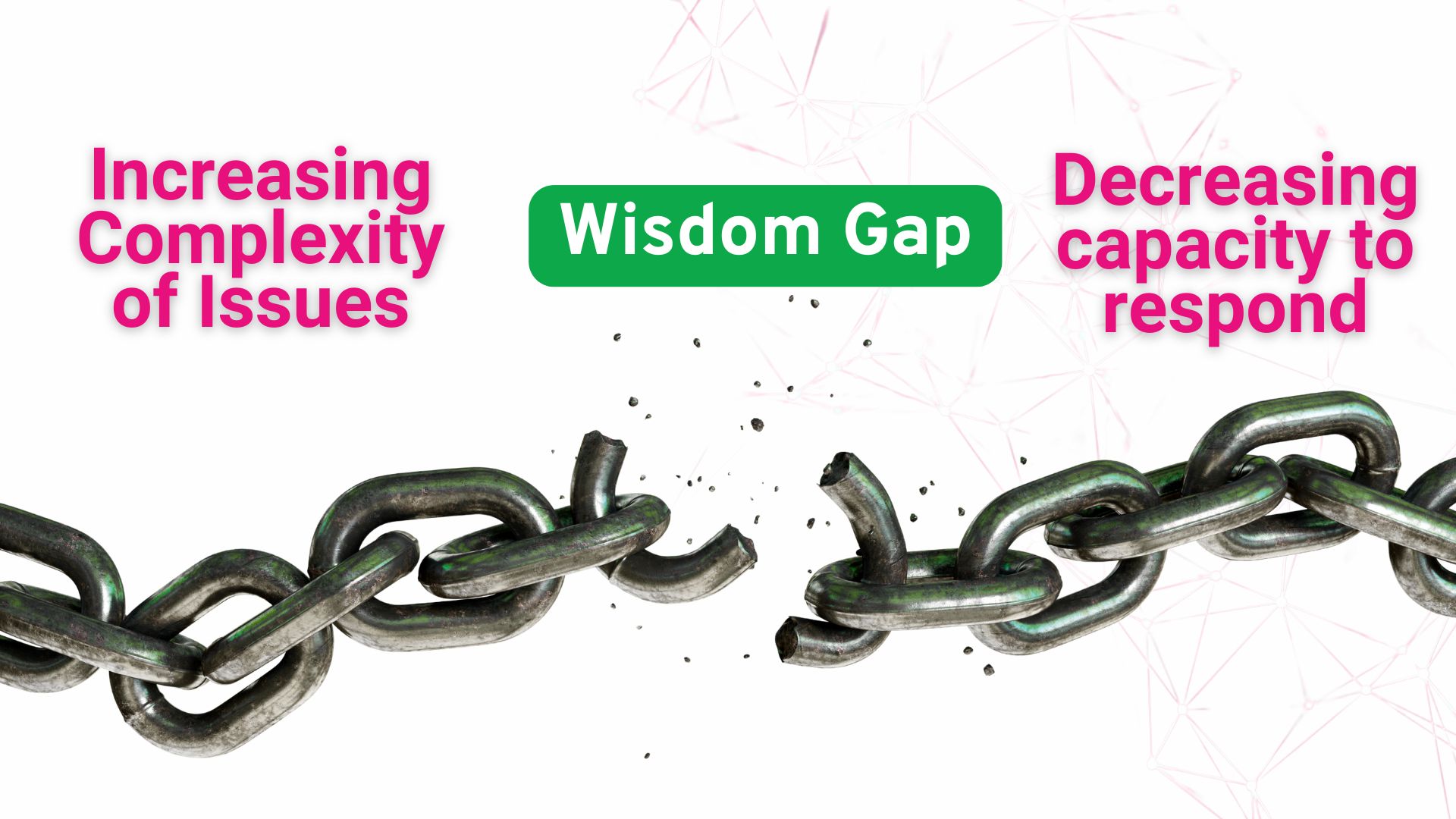
Finalmente, el liderazgo digital en el trabajo juvenil se trata de empoderar a las personas, no solo de adoptar plataformas. Se trata de transformar cómo nos conectamos, aprendemos y creamos juntos en la era digital, y asegurar que nadie se quede atrás.
¿Por qué abordamos el Liderazgo como un elemento clave del Trabajo Digital para la Juventud?
En el trabajo digital juvenil, los líderes marcan la pauta: si modelan la apertura, el aprendizaje y la reflexión, es más probable que sus equipos hagan lo mismo.
El liderazgo es lo que convierte el acceso en acción. Guía a los equipos a través de la incertidumbre, fomenta la experimentación responsable y asegura que las prácticas digitales se alineen con el propósito, no con las tendencias. Ya sea que se trate de introducir tecnologías de aprendizaje inmersivas como AR/VR, cambiar a modelos híbridos o adaptarse a las nuevas demandas en ciudadanía digital, el liderazgo comprometido e informado es esencial.
La investigación de RAY-Digi y la Guía de Trabajadores Juveniles 2.0 destacan que:
- La transformación digital requiere no solo tecnología, sino liderazgo y un cambio de mentalidad.
- Es más probable que los equipos adopten nuevas herramientas cuando se sienten apoyados, no juzgados.
- Los líderes marcan la pauta para el uso ético, la inclusión y el aprendizaje continuo.
El liderazgo digital efectivo implica:
- Escuchar los miedos y esperanzas del equipo en torno al trabajo digital;
- Modelar la curiosidad y la apertura en lugar de la perfección;
- Crear espacios de aprendizaje seguros para el personal y los jóvenes;
- Vincular el cambio digital con el impacto en la vida real, especialmente para los jóvenes en comunidades con recursos insuficientes.
El liderazgo, cuando se hace bien, amplifica la capacidad, reduce la resistencia y genera impulso para que el trabajo digital juvenil pueda prosperar, hoy y en el futuro.
¿Por qué es importante para el Trabajo Juvenil?
A medida que el trabajo juvenil se mueve cada vez más hacia espacios digitales e híbridos, el papel del liderazgo se vuelve esencial para hacer que estas transiciones sean inclusivas, significativas y preparadas para el futuro. No basta con introducir nuevas herramientas o plataformas; necesitamos líderes que puedan inspirar, guiar y apoyar a otros a través de los cambios.
El liderazgo digital es importante porque:
- Los jóvenes ya están inmersos en entornos digitales. Para seguir siendo relevante, el trabajo juvenil debe involucrarlos donde están, de una manera segura, creativa y ética.
- El miedo y la incertidumbre en torno a las herramientas digitales todavía existen entre los trabajadores y gerentes juveniles. Un liderazgo fuerte ayuda a reducir la resistencia, aumentar la curiosidad y construir confianza digital.
- Los entornos de aprendizaje inmersivos como VR, AR y plataformas habilitadas por IA ofrecen nuevas formas de involucrar a los jóvenes, pero solo cuando los líderes comprenden su valor y pueden alinearlos con las necesidades reales de aprendizaje.
- La equidad y la inclusión en los espacios digitales requieren una planificación intencional. Los líderes deben garantizar un acceso justo y seguro a experiencias de aprendizaje digital significativas.
- El cambio en los roles de educador de instructor a facilitador requiere líderes que puedan modelar y apoyar esta transición.
Reclamar reconocimiento de insignia abierta
Al completar esta actividad, los participantes pueden obtener insignias que reconocen:
- Conciencia del liderazgo como una fuerza impulsora para la transformación digital en el trabajo juvenil
- Defensa del uso inclusivo, seguro y con propósito de las herramientas digitales
- Contribuciones a la construcción de una cultura de equipo que apoye la experimentación y la confianza digital
- Compromiso de guiar el trabajo juvenil a través de un cambio digital ético y enfocado en el futuro
¿Quién creó este recurso?
Esta actividad fue desarrollada por miembros de la asociación Digital Sistémico dentro de la Red de Ciudades de Aprendizaje, en respuesta a la información del campo de la política y práctica del trabajo juvenil digital. Se basa en la comprensión de que el trabajo digital juvenil efectivo depende de más que solo herramientas: requiere infraestructura, profesionales calificados e inversión estratégica.
Siguientes pasos: Utilice esta actividad para iniciar conversaciones estratégicas sobre aprendizaje inmersivo, acceso digital y habilidades futuras en su organización. Genere impulso combinando esta insignia con otras sobre infraestructura, calidad e innovación, y ayude a dar forma a un trabajo juvenil preparado para el futuro.

Material
Consigue la insignia de actividad
Líder en transformación digital Consigue esta insignia
Esta insignia reconoce tu participación activa en la exploración de lo que significa liderar la transformación digital en el trabajo con jóvenes. Ya seas joven, trabajador juvenil o directivo, has reflexionado sobre cómo el liderazgo, las mentalidades y las prácticas inclusivas pueden generar experiencias digitales significativas para todos.
Tiene que terminar 2 tareas para obtener la insignia
Tareas
Tarea no.1
Evidencia verificada por: Un organizador de actividades
Reflexiona sobre una idea clave o un momento revelador de la actividad y comparte cómo se relaciona con tu puesto o contexto.
Tarea no.2
Evidencia verificada por: Un organizador de actividades
Identifica una acción personal u organizacional que puedas llevar a cabo para liderar o apoyar el cambio digital.
Tarea no.3
Evidencia verificada por: Un organizador de actividades
Describe qué significa para ti un liderazgo digital ético, inclusivo y con propósito.
The Magic of a Good Prompt: Help Youth Unlock AI Creatively and Critically
Obligatorio
Duración desconocida
Compartiendo artefactos digitales para reflexionar sobre el trabajo juvenil digital
Obligatorio
Duración desconocida
Habilidades
#Excellent Level. Supports young people to assess their learnings after running their digital rights activities, and identify new ways of how to address them.
#Excellent Level. Supports young people and other youth workers to set goals for meaningful digital youth work, assess them and reflect jointly on the outcomes.
#Excellent Level. Supports young people to create their communities, based on pre-set learning objectives, while reflecting on the results.
#Fair Level. Askes young people to critically assess the practices of the youth work offering.
#Good Level. Sets with young people learning objectives for digital youth work.
#Excellent Level. Supports young people to assess their learnings after running their digital rights activities, and identify new ways of how to address them.
#Excellent Level. Supports young people and other youth workers to set goals for meaningful digital youth work, assess them and reflect jointly on the outcomes.
#Excellent Level. Empowers youth groups to use their critical thinking and imagination in order to discuss the ethical implications and find solutions to issues such as profiling, algorithmic filtering or algorithmic bias.
#Fair Level. Knows how to support young people to collectively, as a group, gather and reflect on online information (non-formal learning is social knowledge production).
#Excellent Level. Understands the benefits and risks of gaming and XR, knows how to deal with them and how to guide young people to ethical platforms; when needed, refers young people to specialised support in case of excessive/inappropriate use.
#Excellent Level. Creates different types of digital content and knows how to support others in similar processes (eg. podcasts; videos)
#Excellent Level. Engages young people on equal footing in the planning, running and evaluation of digital activities; they are an integral part of the strategic approach to digital transformation.
#Excellent Level. Empowers youth groups to use their critical thinking and imagination in order to discuss the ethical implications and find solutions to issues such as profiling, algorithmic filtering or algorithmic bias.
#Good Level. Plans and implements multiple digital youth work activities, using a diversity of digital tools
#Good Level. Gathers a group of young people to engage in technological activities and agreed about their learning outcomes
#Excellent Level. Supports young people to assess their learnings after running their digital rights activities, and identify new ways of how to address them.
#Excellent Level. Supports young people and other youth workers to set goals for meaningful digital youth work, assess them and reflect jointly on the outcomes.
#Excellent Level. Supports young people to create their communities, based on pre-set learning objectives, while reflecting on the results.
#Excellent Level. Empowers youth groups to use their critical thinking and imagination in order to discuss the ethical implications and find solutions to issues such as profiling, algorithmic filtering or algorithmic bias.
#Excellent Level. Engages young people on equal footing in the planning, running and evaluation of digital activities; they are an integral part of the strategic approach to digital transformation.
#Excellent Level. Supports young people and other youth workers to set goals for meaningful digital youth work, assess them and reflect jointly on the outcomes.
#Excellent Level. Empowers youth groups to use their critical thinking and imagination in order to discuss the ethical implications and find solutions to issues such as profiling, algorithmic filtering or algorithmic bias.
#Excellent Level. Supports young people to assess their learnings after running their digital rights activities, and identify new ways of how to address them.
#Excellent Level. Creates different types of digital content and knows how to support others in similar processes (eg. podcasts; videos)
#Good Level. Sets with young people learning objectives for digital youth work.
#Excellent Level. Supports young people to create their communities, based on pre-set learning objectives, while reflecting on the results.
#Excellent Level. Supports young people to assess their learnings after running their digital rights activities, and identify new ways of how to address them.
#Excellent Level. Constantly assess, together with young people and/or other youth workers on the quality of the digital work and reflects what has been learned; as an intentional process part of the digital youth work strategy.
#Good Level. Plans and implements multiple digital youth work activities, using a diversity of digital tools
#Excellent Level. Shares practices, as a member of a network, which meets regularly and aims at developing digital youth work.
#Excellent Level. Supports young people and other youth workers to set goals for meaningful digital youth work, assess them and reflect jointly on the outcomes.
ESCO
#develop a recycling program
ESCO
#checking recycling procedures
ESCO
#advising about pollution prevention
ETS-TR
#Consciously provides space for dialogue and interaction taking into account learners’ values and beliefs and offers space to reflect on them in the educational context
#Excellent Level. Creates different types of digital content and knows how to support others in similar processes (eg. podcasts; videos)
#Excellent Level. Empowers youth groups to use their critical thinking and imagination in order to discuss the ethical implications and find solutions to issues such as profiling, algorithmic filtering or algorithmic bias.
#Good Level. Knows how to organise educational and participatory activities connected to youth’s digital rights, and has been organised several with organisation.
#Good Level. Sets with young people learning objectives for digital youth work.
#Elementary Level. Uses basic digital tools and devices to run some digital youth work activities with young people, based on own intuition
#Excellent Level. Supports young people and other youth workers to set goals for meaningful digital youth work, assess them and reflect jointly on the outcomes.
#Excellent Level. Empowers youth groups to use their critical thinking and imagination in order to discuss the ethical implications and find solutions to issues such as profiling, algorithmic filtering or algorithmic bias.
#Good Level. Sets with young people learning objectives for digital youth work.
#Fair Level. Knows how to support young people to collectively, as a group, gather and reflect on online information (non-formal learning is social knowledge production).
#Elementary Level. Uses basic digital tools and devices to run some digital youth work activities with young people, based on own intuition
#Excellent Level. Creates different types of digital content and knows how to support others in similar processes (eg. podcasts; videos)
#Excellent Level. Understands the benefits and risks of gaming and XR, knows how to deal with them and how to guide young people to ethical platforms; when needed, refers young people to specialised support in case of excessive/inappropriate use.
#Excellent Level. Supports young people to assess their learnings after running their digital rights activities, and identify new ways of how to address them.
#Excellent Level. Engages young people on equal footing in the planning, running and evaluation of digital activities; they are an integral part of the strategic approach to digital transformation.
#Good Level. Gathers a group of young people to engage in technological activities and agreed about their learning outcomes
#Good Level. Sets together with young people educational aims for their own digital content production
#Good Level. Sets with young people learning objectives for digital youth work.
#Excellent Level. Engages young people on equal footing in the planning, running and evaluation of digital activities; they are an integral part of the strategic approach to digital transformation.
#Excellent Level. Supports young people to create their communities, based on pre-set learning objectives, while reflecting on the results.
#Excellent Level. Supports young people to assess their learnings after running their digital rights activities, and identify new ways of how to address them.
#Excellent Level. Shares practices, as a member of a network, which meets regularly and aims at developing digital youth work.
#Excellent Level. Supports young people and other youth workers to set goals for meaningful digital youth work, assess them and reflect jointly on the outcomes.
#Excellent Level. Understands the benefits and risks of gaming and XR, knows how to deal with them and how to guide young people to ethical platforms; when needed, refers young people to specialised support in case of excessive/inappropriate use.
#Excellent Level. Creates different types of digital content and knows how to support others in similar processes (eg. podcasts; videos)
#Good Level. Gathers a group of young people to engage in technological activities and agreed about their learning outcomes
#Excellent Level. Creates different types of digital content and knows how to support others in similar processes (eg. podcasts; videos)
#Excellent Level. Understands the benefits and risks of gaming and XR, knows how to deal with them and how to guide young people to ethical platforms; when needed, refers young people to specialised support in case of excessive/inappropriate use.
#Excellent Level. Supports young people and other youth workers to set goals for meaningful digital youth work, assess them and reflect jointly on the outcomes.
#Using digital tools to share ideas and experience with peers
#Excellent Level. Empowers youth groups to use their critical thinking and imagination in order to discuss the ethical implications and find solutions to issues such as profiling, algorithmic filtering or algorithmic bias.
#Excellent Level. Understands the benefits and risks of gaming and XR, knows how to deal with them and how to guide young people to ethical platforms; when needed, refers young people to specialised support in case of excessive/inappropriate use.
#Excellent Level. Creates different types of digital content and knows how to support others in similar processes (eg. podcasts; videos)
#Excellent Level. Supports young people to assess their learnings after running their digital rights activities, and identify new ways of how to address them.
#Fair Level. Supports young people to learn social skills through participation in digital communities, such as discussion groups, life-style sites, vlogs or gaming.
#Good Level. Plans and implements multiple digital youth work activities, using a diversity of digital tools
#Good Level. Sets with young people learning objectives for digital youth work.
#Excellent Level. Supports young people and other youth workers to set goals for meaningful digital youth work, assess them and reflect jointly on the outcomes.
#Excellent Level. Supports young people to assess their learnings after running their digital rights activities, and identify new ways of how to address them.
#Excellent Level. Shares practices, as a member of a network, which meets regularly and aims at developing digital youth work.
#Fair Level. Knows how to support young people to collectively, as a group, gather and reflect on online information (non-formal learning is social knowledge production).
#Fair Level. Askes young people to critically assess the practices of the youth work offering.
#Excellent Level. Runs digital youth work activities that are based on the guidelines of organisation, the ideas of young people, and on the principles set by the national and European organisations.
#Excellent Level. Engages young people on equal footing in the planning, running and evaluation of digital activities; they are an integral part of the strategic approach to digital transformation.
#Excellent Level. Supports young people and other youth workers to set goals for meaningful digital youth work, assess them and reflect jointly on the outcomes.
#Excellent Level. Develops an ability to kick-off an innovative spirit in digital youth work activities; intentionally updates competences in the field, and is aware of trends but also policies in the field.
#Excellent Level. Shares practices, as a member of a network, which meets regularly and aims at developing digital youth work.
#Excellent Level. Guides a youth group to develop their own initiative on digital rights - using a project, an online study, or managing an exchange program.
#Excellent Level. Knows the key elements of main European digital regulations in the digital field and knows how to ethically apply them in youth work contexts.
#Excellent Level. Confident in using a diversity of digital tools and platforms to support youth work and deliver youth work services. (e.g. advanced technological equipment, digital cameras or software, AI tools)
#Excellent Level. Engages young people on equal footing in the planning, running and evaluation of digital activities; they are an integral part of the strategic approach to digital transformation.
#Excellent Level. Implements a process, designed with organisation, through which assess together with young people the individual and organisational priorities/needs connected to digital transformation.
#Excellent Level. Confident in using a diversity of digital tools and platforms to support youth work and deliver youth work services. (e.g. advanced technological equipment, digital cameras or software, AI tools)
#Excellent Level. Supports young people to assess their learnings after running their digital rights activities, and identify new ways of how to address them.
#Good Level. Ensures that young people with fewer opportunities have participated in digital learning activities, such as thematic events, problem-solving, producing their own content, or vlogs.
#Excellent Level. Shares practices, as a member of a network, which meets regularly and aims at developing digital youth work.
#Excellent Level. Supports young people and other youth workers to set goals for meaningful digital youth work, assess them and reflect jointly on the outcomes.
#Fair Level. Supports young people to learn social skills through participation in digital communities, such as discussion groups, life-style sites, vlogs or gaming.
#Excellent Level. Supports young people to assess their learnings after running their digital rights activities, and identify new ways of how to address them.
#Excellent Level. Supports young people and other youth workers to set goals for meaningful digital youth work, assess them and reflect jointly on the outcomes.
#Excellent Level. Shares practices, as a member of a network, which meets regularly and aims at developing digital youth work.
#Excellent Level. Empowers youth groups to use their critical thinking and imagination in order to discuss the ethical implications and find solutions to issues such as profiling, algorithmic filtering or algorithmic bias.
#Excellent Level. Supports young people to create their communities, based on pre-set learning objectives, while reflecting on the results.
ETS-TR
#Applies digital technologies, tools and e-learning where necessary/relevant in planning, designing, delivering and evaluating activities
ETS-TR
#Promotes reflection on the specific policies (or lack of policies) related to the digital transformation of many aspects of people’s lives
ETS-TR
#Works with the notion of change and overcomes resistance within the group of learners
ESCO
#adapt styles of leadership
ESCO
#principles of leadership
#Excellent Level. Develops an ability to kick-off an innovative spirit in digital youth work activities; intentionally updates competences in the field, and is aware of trends but also policies in the field.
#Excellent Level. Runs digital youth work activities that are based on the guidelines of organisation, the ideas of young people, and on the principles set by the national and European organisations.
#Excellent Level. Engages young people on equal footing in the planning, running and evaluation of digital activities; they are an integral part of the strategic approach to digital transformation.
#Excellent Level. Supports young people to assess their learnings after running their digital rights activities, and identify new ways of how to address them.
#Good Level. Ensures that young people with fewer opportunities have participated in digital learning activities, such as thematic events, problem-solving, producing their own content, or vlogs.
#Excellent Level. Confident in using a diversity of digital tools and platforms to support youth work and deliver youth work services. (e.g. advanced technological equipment, digital cameras or software, AI tools)
#Excellent Level. Shares practices, as a member of a network, which meets regularly and aims at developing digital youth work.
#Excellent Level. Supports young people and other youth workers to set goals for meaningful digital youth work, assess them and reflect jointly on the outcomes.
#Fair Level. Askes young people to critically assess the practices of the youth work offering.
#Excellent Level. Engages young people on equal footing in the planning, running and evaluation of digital activities; they are an integral part of the strategic approach to digital transformation.
#Excellent Level. Supports young people to assess their learnings after running their digital rights activities, and identify new ways of how to address them.
#Excellent Level. Supports young people to create their communities, based on pre-set learning objectives, while reflecting on the results.
#Excellent Level. Supports young people and other youth workers to set goals for meaningful digital youth work, assess them and reflect jointly on the outcomes.
#Excellent Level. Creates different types of digital content and knows how to support others in similar processes (eg. podcasts; videos)
#Excellent Level. Empowers youth groups to use their critical thinking and imagination in order to discuss the ethical implications and find solutions to issues such as profiling, algorithmic filtering or algorithmic bias.
#Fair Level. Supports young people to learn social skills through participation in digital communities, such as discussion groups, life-style sites, vlogs or gaming.
ESCO
#virtual reality of natural environment
#Excellent Level. Understands the benefits and risks of gaming and XR, knows how to deal with them and how to guide young people to ethical platforms; when needed, refers young people to specialised support in case of excessive/inappropriate use.
#Fair Level. Facilitates contexts where young people engage in gaming and XR activities, overseen by youth workers.
#Excellent Level. Confident in using a diversity of digital tools and platforms to support youth work and deliver youth work services. (e.g. advanced technological equipment, digital cameras or software, AI tools)
#Excellent Level. Constantly assess, together with young people and/or other youth workers on the quality of the digital work and reflects what has been learned; as an intentional process part of the digital youth work strategy.
#Good Level. Sets with young people learning objectives for digital youth work.
#Excellent Level. Shares practices, as a member of a network, which meets regularly and aims at developing digital youth work.
#Fair Level. Askes young people to critically assess the practices of the youth work offering.
#Good Level. Ensures that young people with fewer opportunities have participated in digital learning activities, such as thematic events, problem-solving, producing their own content, or vlogs.
#Excellent Level. Understands the benefits and risks of gaming and XR, knows how to deal with them and how to guide young people to ethical platforms; when needed, refers young people to specialised support in case of excessive/inappropriate use.
#Excellent Level. Supports young people to create their communities, based on pre-set learning objectives, while reflecting on the results.
#Good Level. Gathers a group of young people to engage in technological activities and agreed about their learning outcomes
#Excellent Level. Engages young people on equal footing in the planning, running and evaluation of digital activities; they are an integral part of the strategic approach to digital transformation.
#Excellent Level. Supports young people and other youth workers to set goals for meaningful digital youth work, assess them and reflect jointly on the outcomes.
#Elementary Level. Uses basic digital tools and devices to run some digital youth work activities with young people, based on own intuition
#Fair Level. Engages young people in critical reflection of their online experiences - what they finally feel they have learned from the various experiences.
#Excellent Level. Engages young people on equal footing in the planning, running and evaluation of digital activities; they are an integral part of the strategic approach to digital transformation.
#Excellent Level. Shares practices, as a member of a network, which meets regularly and aims at developing digital youth work.
#Excellent Level. Constantly assess, together with young people and/or other youth workers on the quality of the digital work and reflects what has been learned; as an intentional process part of the digital youth work strategy.
#Excellent Level. Implements a process, designed with organisation, through which assess together with young people the individual and organisational priorities/needs connected to digital transformation.
#Good Level. Plans and implements multiple digital youth work activities, using a diversity of digital tools
#Fair Level. Askes young people to critically assess the practices of the youth work offering.
#Excellent Level. Supports young people and other youth workers to set goals for meaningful digital youth work, assess them and reflect jointly on the outcomes.
#Excellent Level. Supports young people to assess their learnings after running their digital rights activities, and identify new ways of how to address them.
#Excellent Level. Empowers youth groups to use their critical thinking and imagination in order to discuss the ethical implications and find solutions to issues such as profiling, algorithmic filtering or algorithmic bias.
#Excellent Level. Supportes young people to improve their behaviours in looking for trustworthy sources or running their own online research.
#Excellent Level. Engages young people on equal footing in the planning, running and evaluation of digital activities; they are an integral part of the strategic approach to digital transformation.
#Excellent Level. Supports young people to create their communities, based on pre-set learning objectives, while reflecting on the results.
#Excellent Level. Supports young people who independently carries out their content production
#Fair Level. Participates regularly in local, national and/or international e-meetings and e-seminars.
#Excellent Level. Runs digital youth work activities that are based on the guidelines of organisation, the ideas of young people, and on the principles set by the national and European organisations.
#Excellent Level. Engages young people on equal footing in the planning, running and evaluation of digital activities; they are an integral part of the strategic approach to digital transformation.
#Excellent Level. Implements a process, designed with organisation, through which assess together with young people the individual and organisational priorities/needs connected to digital transformation.
#Excellent Level. Supports young people and other youth workers to set goals for meaningful digital youth work, assess them and reflect jointly on the outcomes.
#Excellent Level. Shares practices, as a member of a network, which meets regularly and aims at developing digital youth work.
#Good Level. Plans and implements multiple digital youth work activities, using a diversity of digital tools
ESCO
#principios de la inteligencia artificial
#Excellent Level. Empowers youth groups to use their critical thinking and imagination in order to discuss the ethical implications and find solutions to issues such as profiling, algorithmic filtering or algorithmic bias.
#Good Level. Helps young people to understand the difference between facts, mis/dis-information, and, in general, to critically analyse information.
#Good Level. Sets together with young people educational aims for their own digital content production
#Fair Level. Supports young people to learn social skills through participation in digital communities, such as discussion groups, life-style sites, vlogs or gaming.
#Excellent Level. Develops an ability to kick-off an innovative spirit in digital youth work activities; intentionally updates competences in the field, and is aware of trends but also policies in the field.
#Excellent Level. Confident in using a diversity of digital tools and platforms to support youth work and deliver youth work services. (e.g. advanced technological equipment, digital cameras or software, AI tools)
#Awareness-raising on young people’s digital rights and their risks
ESCO
#data privacy
#Good Level. Creates a safe context for digital use and suggested young people to protect themselves from potential cybersecurity threats.
#Fair Level. Knows how to support young people to collectively, as a group, gather and reflect on online information (non-formal learning is social knowledge production).
#Excellent Level. Supports young people to create their communities, based on pre-set learning objectives, while reflecting on the results.
#Good Level. Learns to integrate practice-based learning (non-formal learning) and youth participatory approaches in digital youth work practiceer personality.
#Fair Level. Discusses with young people about the type of digital content they want to produce
#Fair Level. Advises young people on their basic functional skills, such as critically navigating through a variety of websites and platforms.
#Excellent Level. Confident in using a diversity of digital tools and platforms to support youth work and deliver youth work services. (e.g. advanced technological equipment, digital cameras or software, AI tools)
#Excellent Level. Constantly assess, together with young people and/or other youth workers on the quality of the digital work and reflects what has been learned; as an intentional process part of the digital youth work strategy.
#Excellent Level. Supports young people and other youth workers to set goals for meaningful digital youth work, assess them and reflect jointly on the outcomes.
#Excellent Level. Supports young people to create their communities, based on pre-set learning objectives, while reflecting on the results.
#Excellent Level. Supports young people who independently carries out their content production
#Excellent Level. Shares practices, as a member of a network, which meets regularly and aims at developing digital youth work.
#Good Level. Ensures that young people with fewer opportunities have participated in digital learning activities, such as thematic events, problem-solving, producing their own content, or vlogs.
#Fair Level. Knows how to support young people to collectively, as a group, gather and reflect on online information (non-formal learning is social knowledge production).
ESCO
#resolución de problemas mediante hardware y herramientas de las tecnologías de la información y de las comunicaciones
#Critical digital literacy
ESCO
#creative thinking
#Good Level. Sets together with young people educational aims for their own digital content production
#Good Level. Gathers a group of young people to engage in technological activities and agreed about their learning outcomes
#Elementary Level. Uses basic digital tools and devices to run some digital youth work activities with young people, based on own intuition
#Good Level. Understands digital youth work in a broad context of social effects and economic interests of digital transformation; applies solid ethical principles to both digital and traditional youth work.
#Fair Level. Knows how to support young people to collectively, as a group, gather and reflect on online information (non-formal learning is social knowledge production).
#Fair Level. Supports young people to learn social skills through participation in digital communities, such as discussion groups, life-style sites, vlogs or gaming.
#Fair Level. Advises young people on their basic functional skills, such as critically navigating through a variety of websites and platforms.
#Excellent Level. Runs digital youth work activities that are based on the guidelines of organisation, the ideas of young people, and on the principles set by the national and European organisations.
#Good Level. Runs digital youth work activities based on the guidelines of organisation.
#Excellent Level. Develops an ability to kick-off an innovative spirit in digital youth work activities; intentionally updates competences in the field, and is aware of trends but also policies in the field.
#Good Level. Learns to integrate practice-based learning (non-formal learning) and youth participatory approaches in digital youth work practiceer personality.
#Fair Level. Knows how to easily find online information about young people, and uses in planning digital youth work.
#Good Level. Ensures that young people with fewer opportunities have participated in digital learning activities, such as thematic events, problem-solving, producing their own content, or vlogs.
#Fair Level. Supports young people to learn social skills through participation in digital communities, such as discussion groups, life-style sites, vlogs or gaming.
#Excellent Level. Confident in using a diversity of digital tools and platforms to support youth work and deliver youth work services. (e.g. advanced technological equipment, digital cameras or software, AI tools)
#Fair Level. Discusses with young people about the type of digital content they want to produce
#Fair Level. Exchanges views with young people about their online safety and security.
#Good Level. Understands digital youth work in a broad context of social effects and economic interests of digital transformation; applies solid ethical principles to both digital and traditional youth work.
#Elementary Level. Understands that youth workers and young people should learn together.
#Fair Level. Knows how to support young people to collectively, as a group, gather and reflect on online information (non-formal learning is social knowledge production).
#Good Level. Empowers young people to co-create digital content together with other youth workers/professionals
#Excellent Level. Understands the benefits and risks of gaming and XR, knows how to deal with them and how to guide young people to ethical platforms; when needed, refers young people to specialised support in case of excessive/inappropriate use.
#Good Level. Creates a safe context for digital use and suggested young people to protect themselves from potential cybersecurity threats.
#Excellent Level. Runs digital youth work activities that are based on the guidelines of organisation, the ideas of young people, and on the principles set by the national and European organisations.
#Excellent Level. Implements a process, designed with organisation, through which assess together with young people the individual and organisational priorities/needs connected to digital transformation.
#Excellent Level. Shares practices, as a member of a network, which meets regularly and aims at developing digital youth work.
#Good Level. Helps young people to understand the difference between facts, mis/dis-information, and, in general, to critically analyse information.
#Excellent Level. Engages young people on equal footing in the planning, running and evaluation of digital activities; they are an integral part of the strategic approach to digital transformation.
#Fair Level. Advises young people on their basic functional skills, such as critically navigating through a variety of websites and platforms.
#Good Level. Ensures that young people with fewer opportunities have participated in digital learning activities, such as thematic events, problem-solving, producing their own content, or vlogs.
#Excellent Level. Supports young people and other youth workers to set goals for meaningful digital youth work, assess them and reflect jointly on the outcomes.
#Excellent Level. Shares practices, as a member of a network, which meets regularly and aims at developing digital youth work.
#Excellent Level. Empowers youth groups to use their critical thinking and imagination in order to discuss the ethical implications and find solutions to issues such as profiling, algorithmic filtering or algorithmic bias.
#Excellent Level. Supports young people to assess their learnings after running their digital rights activities, and identify new ways of how to address them.
#Excellent Level. Supports young people and other youth workers to set goals for meaningful digital youth work, assess them and reflect jointly on the outcomes.
#Fair Level. Askes young people to critically assess the practices of the youth work offering.
#Using digital tools to share ideas and experience with peers
#Searching, evaluating and communicating information
#Excellent Level. Supports young people and other youth workers to set goals for meaningful digital youth work, assess them and reflect jointly on the outcomes.
#Excellent Level. Creates different types of digital content and knows how to support others in similar processes (eg. podcasts; videos)
#Using digital tools to share ideas and experience with peers
ESCO
#able to use using mathematical tools and equipment
ESCO
#knowledge of maths
ESCO
#mathematical literacy
ESCO
#maths
#Excellent Level. Understands the benefits and risks of gaming and XR, knows how to deal with them and how to guide young people to ethical platforms; when needed, refers young people to specialised support in case of excessive/inappropriate use.
#Excellent Level. Engages young people on equal footing in the planning, running and evaluation of digital activities; they are an integral part of the strategic approach to digital transformation.
#Excellent Level. Supports young people and other youth workers to set goals for meaningful digital youth work, assess them and reflect jointly on the outcomes.
#Excellent Level. Supports young people to create their communities, based on pre-set learning objectives, while reflecting on the results.
#Excellent Level. Empowers youth groups to use their critical thinking and imagination in order to discuss the ethical implications and find solutions to issues such as profiling, algorithmic filtering or algorithmic bias.
#Excellent Level. Supports young people and other youth workers to set goals for meaningful digital youth work, assess them and reflect jointly on the outcomes.
#Good Level. Plans and implements multiple digital youth work activities, using a diversity of digital tools
#Fair Level. Knows how to support young people to collectively, as a group, gather and reflect on online information (non-formal learning is social knowledge production).
#Good Level. Sets with young people learning objectives for digital youth work.
#Fair Level. Supports young people to learn social skills through participation in digital communities, such as discussion groups, life-style sites, vlogs or gaming.
#Fair Level. Askes young people to critically assess the practices of the youth work offering.
#Elementary Level. Uses basic digital tools and devices to run some digital youth work activities with young people, based on own intuition
#Excellent Level. Creates different types of digital content and knows how to support others in similar processes (eg. podcasts; videos)
#Excellent Level. Engages young people on equal footing in the planning, running and evaluation of digital activities; they are an integral part of the strategic approach to digital transformation.
#Good Level. Knows how to organise educational and participatory activities connected to youth’s digital rights, and has been organised several with organisation.
#Excellent Level. Supports young people and other youth workers to set goals for meaningful digital youth work, assess them and reflect jointly on the outcomes.
#Fair Level. Supports young people to learn social skills through participation in digital communities, such as discussion groups, life-style sites, vlogs or gaming.
#Fair Level. Askes young people to critically assess the practices of the youth work offering.
#Excellent Level. Empowers youth groups to use their critical thinking and imagination in order to discuss the ethical implications and find solutions to issues such as profiling, algorithmic filtering or algorithmic bias.
#Excellent Level. Supports young people to create their communities, based on pre-set learning objectives, while reflecting on the results.
#Excellent Level. Supports young people and other youth workers to set goals for meaningful digital youth work, assess them and reflect jointly on the outcomes.
#Excellent Level. Supports young people to create their communities, based on pre-set learning objectives, while reflecting on the results.
#Fair Level. Askes young people to critically assess the practices of the youth work offering.
#Good Level. Sets with young people learning objectives for digital youth work.
#Excellent Level. Empowers youth groups to use their critical thinking and imagination in order to discuss the ethical implications and find solutions to issues such as profiling, algorithmic filtering or algorithmic bias.
#Excellent Level. Understands the benefits and risks of gaming and XR, knows how to deal with them and how to guide young people to ethical platforms; when needed, refers young people to specialised support in case of excessive/inappropriate use.
#Excellent Level. Empowers youth groups to use their critical thinking and imagination in order to discuss the ethical implications and find solutions to issues such as profiling, algorithmic filtering or algorithmic bias.
#Excellent Level. Understands the benefits and risks of gaming and XR, knows how to deal with them and how to guide young people to ethical platforms; when needed, refers young people to specialised support in case of excessive/inappropriate use.
#Excellent Level. Supports young people and other youth workers to set goals for meaningful digital youth work, assess them and reflect jointly on the outcomes.
#Good Level. Plans and implements multiple digital youth work activities, using a diversity of digital tools
#Good Level. Sets together with young people educational aims for their own digital content production
#Good Level. Sets with young people learning objectives for digital youth work.
#Excellent Level. Understands the benefits and risks of gaming and XR, knows how to deal with them and how to guide young people to ethical platforms; when needed, refers young people to specialised support in case of excessive/inappropriate use.
#Excellent Level. Supports young people and other youth workers to set goals for meaningful digital youth work, assess them and reflect jointly on the outcomes.
#Excellent Level. Confident in using a diversity of digital tools and platforms to support youth work and deliver youth work services. (e.g. advanced technological equipment, digital cameras or software, AI tools)
#Fair Level. Knows how to support young people to collectively, as a group, gather and reflect on online information (non-formal learning is social knowledge production).
#Good Level. Sets together with young people educational aims for their own digital content production
#Excellent Level. Creates different types of digital content and knows how to support others in similar processes (eg. podcasts; videos)
#Fair Level. Supports young people to learn social skills through participation in digital communities, such as discussion groups, life-style sites, vlogs or gaming.
#Excellent Level. Engages young people on equal footing in the planning, running and evaluation of digital activities; they are an integral part of the strategic approach to digital transformation.
#Excellent Level. Shares practices, as a member of a network, which meets regularly and aims at developing digital youth work.
#Excellent Level. Supports young people to assess their learnings after running their digital rights activities, and identify new ways of how to address them.
#Excellent Level. Empowers youth groups to use their critical thinking and imagination in order to discuss the ethical implications and find solutions to issues such as profiling, algorithmic filtering or algorithmic bias.
#Good Level. Sets together with young people educational aims for their own digital content production
#Excellent Level. Engages young people on equal footing in the planning, running and evaluation of digital activities; they are an integral part of the strategic approach to digital transformation.
#Good Level. Ensures that young people with fewer opportunities have participated in digital learning activities, such as thematic events, problem-solving, producing their own content, or vlogs.
#Good Level. Gathers a group of young people to engage in technological activities and agreed about their learning outcomes
#Good Level. Learns to integrate practice-based learning (non-formal learning) and youth participatory approaches in digital youth work practiceer personality.
#Excellent Level. Supports young people and other youth workers to set goals for meaningful digital youth work, assess them and reflect jointly on the outcomes.
#Good Level. Plans and implements multiple digital youth work activities, using a diversity of digital tools
#Fair Level. Knows how to support young people to collectively, as a group, gather and reflect on online information (non-formal learning is social knowledge production).
#Good Level. Helps young people to understand the difference between facts, mis/dis-information, and, in general, to critically analyse information.
#Excellent Level. Supportes young people to improve their behaviours in looking for trustworthy sources or running their own online research.
#Excellent Level. Supports young people to develop counter-narratives to a case of fake news or disinformation.
#Excellent Level. Helps young people to critically analyse current communication challenges related to the information crisis and the use of synthetic media.
#Fair Level. Sensitise young people on situations when they are not fairly treated in the digitalised world.
#Good Level. Set with young people learning objectives on how to support their digital rights.
#Fair Level. Discusses with young people about the type of digital content they want to produce
#Good Level. Learns to integrate practice-based learning (non-formal learning) and youth participatory approaches in digital youth work practiceer personality.
#Excellent Level. Supports young people to assess their learnings after running their digital rights activities, and identify new ways of how to address them.
#Good Level. Understands digital youth work in a broad context of social effects and economic interests of digital transformation; applies solid ethical principles to both digital and traditional youth work.
#Excellent Level. Confident in using a diversity of digital tools and platforms to support youth work and deliver youth work services. (e.g. advanced technological equipment, digital cameras or software, AI tools)
#Excellent Level. Creates different types of digital content and knows how to support others in similar processes (eg. podcasts; videos)
#Good Level. Sets together with young people educational aims for their own digital content production
#Fair Level. Realizes that young people are interested in technological hobbies, and feels the need to support them
#Good Level. Gathers a group of young people to engage in technological activities and agreed about their learning outcomes
#Excellent Level. Constantly assess, together with young people and/or other youth workers on the quality of the digital work and reflects what has been learned; as an intentional process part of the digital youth work strategy.
#Excellent Level. Supports young people to create their communities, based on pre-set learning objectives, while reflecting on the results.
#Fair Level. Advises young people on their basic functional skills, such as critically navigating through a variety of websites and platforms.
#Excellent Level. Helps young people to critically analyse current communication challenges related to the information crisis and the use of synthetic media.
#Good Level. Capable of advising and supporting young people to use advanced digital tools (or advanced functions of such tools) or create peer learning opportunities for them
#Fair Level. Is in a position to empower young people and other youth workers to experiment with digital means.
Actividades: 41
Iniciado: 1
Lista de reproducción completada: 0
Tiempo para completar: 2 días 16 horas
Compartir:
Organizadores
Digital Youth Work Resource Hub

Badgecraft alberga esta plataforma y la desarrolla junto con organizaciones líderes educativas. El consorcio Europeo desarrolla esta plataforma con la cofinanciación del programa Erasmus+ de la Unión Europea.
Cambiar a otro idioma: